

In research studies, literature review plays a vital role in finding the gaps and lays foundation to the further exploration on the subject. It illustrates what has been already researched and positions the further research possibilities. A well-studied literature review reflects scholarly authority and justifies the conclusions. While finding the relevant data, reviewing it and documenting there are chances of misinterpretation, because the researcher is very naïve to the research vocabulary. The research supervisor is the only point of approval, but if he is not an expert in the given area, further assistance may be required. This juncture is an eye opener for the fellow researchers. In most of the situation it is ignored or closed without justification.
In all universities and higher education institutions senior faculty retire and are given a gala send off with words of wisdom and prescription of how to lead a retired life. Alas, only if the top management of these institutes looked at the chance of using the retirement as an opportunity for betterment of research and knowledge.
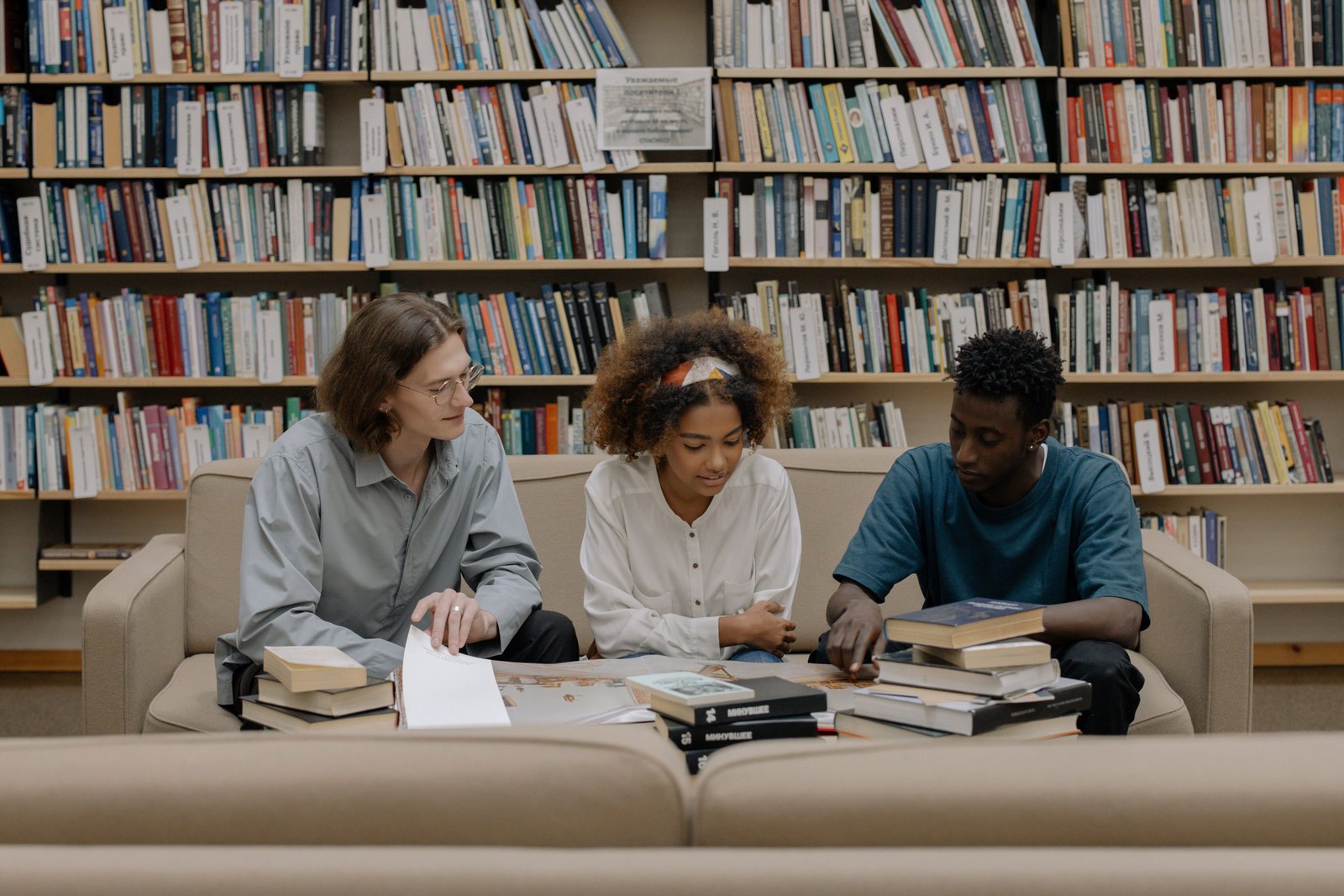
Imagine a library where books are replaced with resource fellows and each of these individual faculty is ready to share their personal experience, knowledge, or passion. If higher education institutes were to have a Human library attached to the Books library, researchers could actually borrow a faculty to help them read, understand and write research documents, the concept could become a game changer. Since retired faculty are experts in their subject domain, if borrowed by research scholars, they could supervise the research activities, recommend books, journals, and websites for references. Over the years they build a good academic network and can easily get information or expertise when required, also their access to other resources are umpteen and accessible. This kind of arrangement will help retain the academic resources. Faculty can continue working as experts to help students, scholars and new faculty.
Academics is the only business that grows richer with experienced faculty. Knowledge cannot be substituted, it has to be original and relevant. Experience unfolds ways of teaching-learning. Technology enhances the content to make it look consumable, but the original remain un-substituted.
The concept of a human library originated in schools as a means to support the student inquiry and curiosity by offering them the chance to speak directly with individuals who have real-world acumen. Parents, teachers, and other people had volunteered to share their knowledge, life experiences, or skills. This was done on one-on-one or in small-groups in the school premises. It turned out to be an influential means for connecting students with authentic views, inspiring their inquiries and making learning more meaningful.
The human library concept will contribute not only to individuals but also to the academic fraternity. There will always be empathy and understanding with the researcher. The human library gives an opportunity to discuss, challenge theories and understand diversities. Since researchers will be interacting with experts from different fields, their knowledge and understanding will improve. It could also inspire new interest.
India has supported the Human Library movement and extensively contributes to a global perspective. It was established in IMM Indore followed by Hyderabad and many other cities where they meant to discuss and address social issues. It’s time we looked at human libraries for research.
“One exceptional book holds the value of a hundred good friends, yet one true friend is equivalent to a library.”— Dr. A. P. J. Abdul Kalam
The idea itself directs to contemporary notion known as the Human Book.
About the Author
Dr C. Sunanda Yadav
Dr C Sunanda Yadav has 30 yrs commercial/marketing, administrative and academic experience. Her 12 yrs experience in the corporate was extensively in marketing and public relations. The academic journey started as a faculty and extended to research and development in an university.